

What is a neurological condition in the brain?
Like brain injuries, a neurological condition is a broad term.
You could even file brain injuries as a neurological condition but to provide a definition, a neurological condition is a condition that affects a person’s nervous system
The nervous system composed of the brain, spinal cord, and nerves—is your body’s command center. It sends signals to regulate your thoughts, movements, and senses.
So, when something happens to your nervous system, how you think, move, and feel around you becomes affected as well, and it can significantly impact how you live your life.
Here are some statistics to know the impact of neurological conditions
- Estimate of 1 in 6 people in the UK live with a neurological condition
- Between 10% and 20% of acute medical admissions are neurological conditions
- Approximately 850,000 people in the UK care for someone with a neurological condition
What are the types of neurological conditions?
There are many types of neurological conditions. The Neurological Alliance classifies neurological conditions into 4 main categories.
- Sudden onset – stroke, traumatic brain injury, spinal injury
- Intermittent – epilepsy, migraine
- Progressive – Parkinson’s disease, dementia, motor neuron disease
- Stabe with changing needs – Tourette’s syndrome, narcolepsy, fibromyalgia
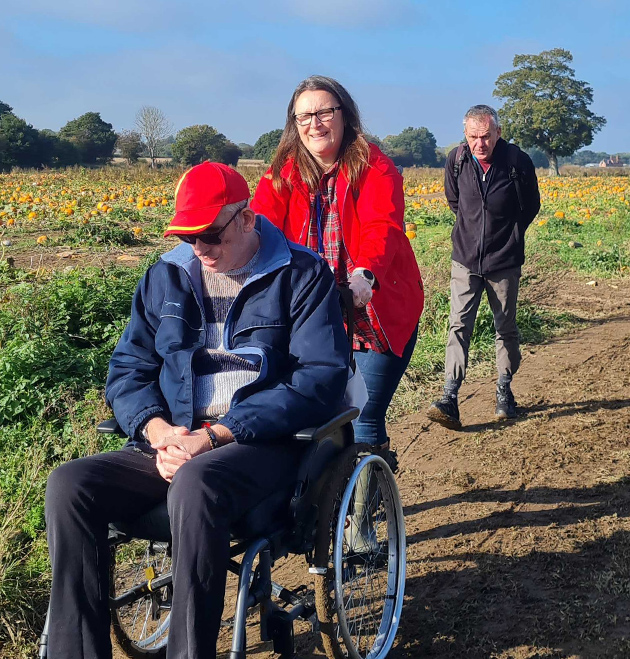
Living with a neurological condition
Hear the stories of our clients in their day-to-day life
*rotating video inteviews/content on clients and how they live with their conditions*
Articles/Client stories
*rotating text/cards on concise brain info*
Need help? Check out our services
*link to Headway Shropshire Services Box*
Contact and Support Section
Frequently Asked Questions
Where can I get help if I have a neurological condition?
Where can I get help if I have a neurological condition?
What is the difference of a brain injury and a neurological condition?
What is the difference of a brain injury and a neurological condition?
What are early signs of FND?
What are early signs of FND?
Can’t see your question here?
Don’t worry – the team at Headway Shropshire are here to help!